
July 22, 2026
If Your Number Isn’t Zero, You Don’t Have a Plan
My daughter got stranded eight minutes from home. Urban, suburban, rural, semi-rural: each is a trade. Most preppers never answer the real question.
Last night my daughter got stranded eight minutes from her own driveway.
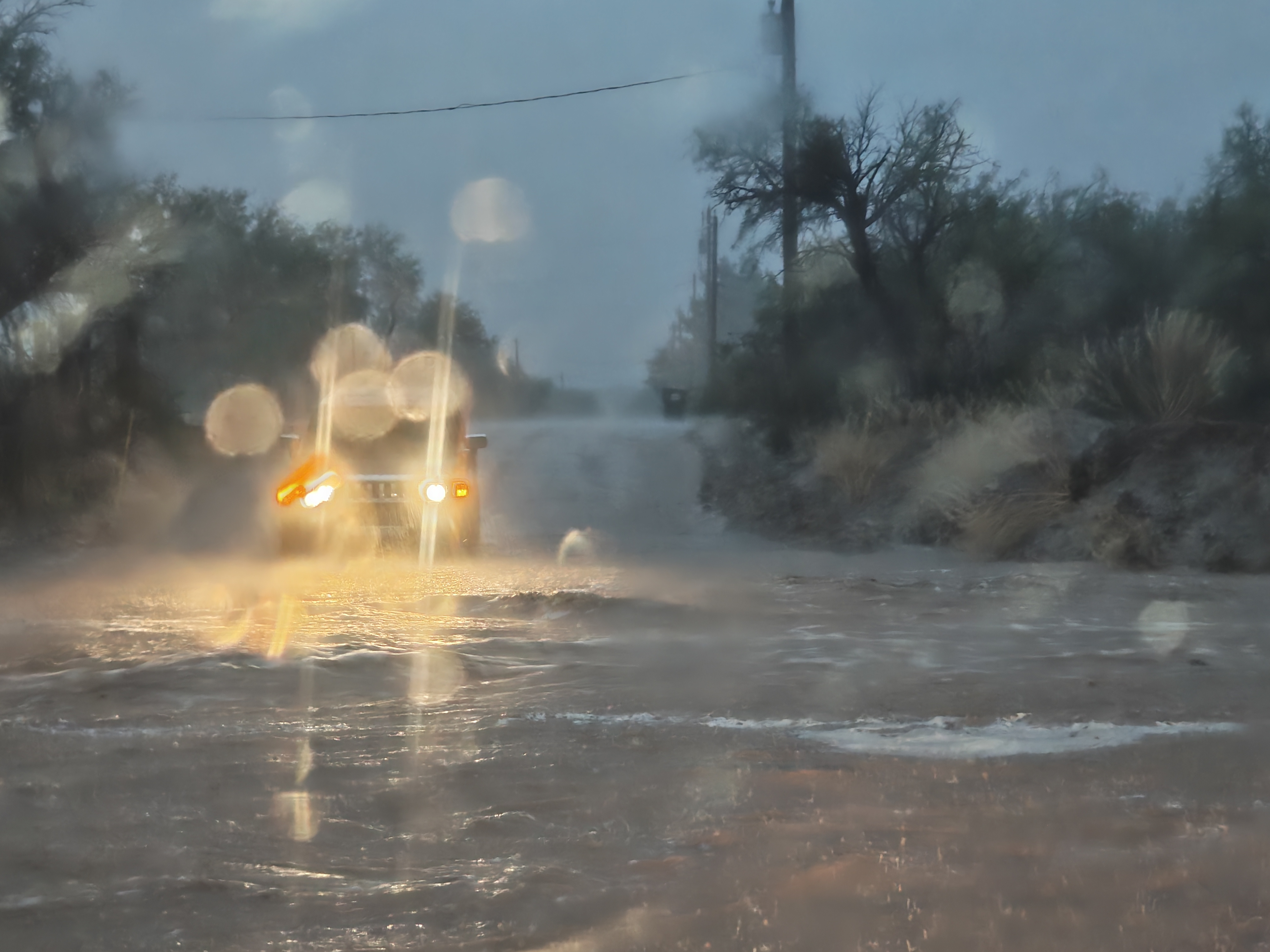
That’s her in the H3. She and her 15-year-old brother were denied access to home by a 50-foot by 3-foot column of water crossing the only road to our property. Within 10 minutes they were safe at a friend’s house in town. The S did not HTF. But hold onto that detail, because it’s the whole argument. When it comes to the best place to live for sustainability and preparedness—or sustainability in preparedness—it’s often a battle of “Poop Needles” vs. “Uneducated Poor.” The modern terms of endearment for Urban vs. Rural. Let’s break it down.
Urban
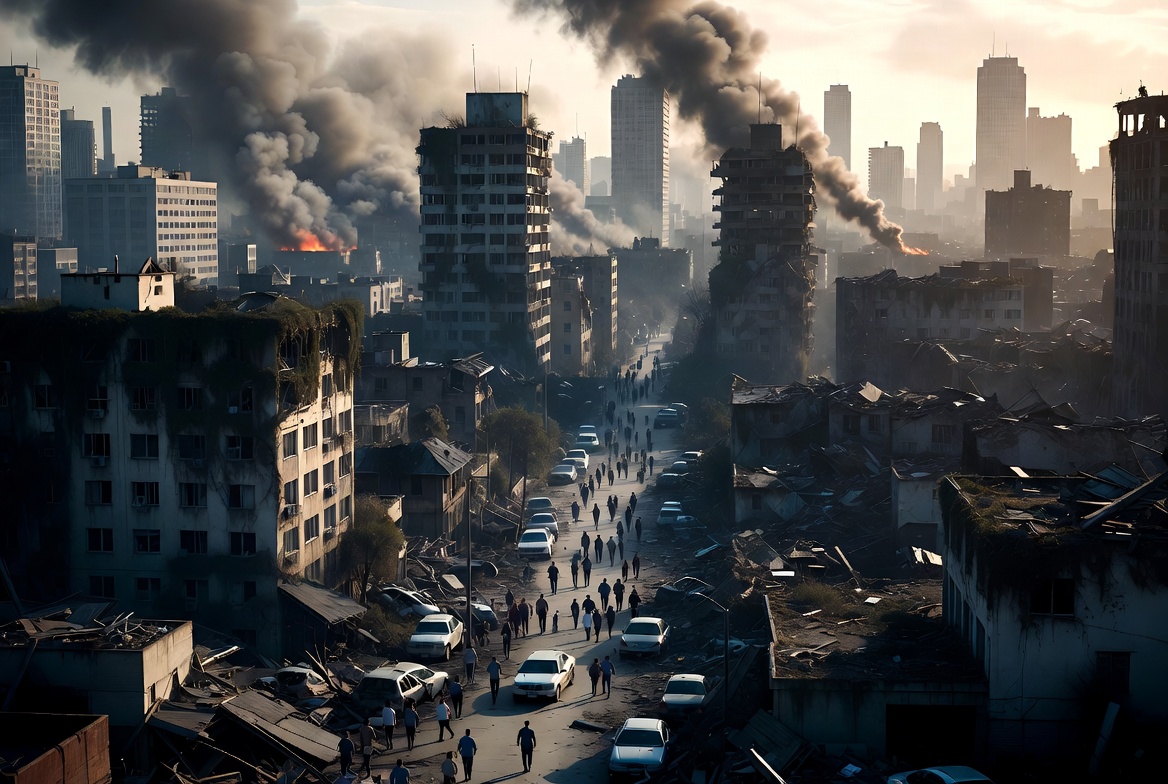
I mean living in an apartment, using public transit, and treating “walkable” as a compliment. Preparedness in urban environments is doable, and some people do it really well, but there are a lot of hurdles. True, some of those hurdles aren’t unique to cities—public utilities for running water and waste management exist elsewhere too—but there’s an inherent flaw in living through a sustained SHTF situation: bugging out is baked in. And in a sustained SHTF situation, bugging out of an urban environment means SHTF squared.
Urban living is antithetical to the foundational principle of preparedness: resilience. Modern life in general is a meshwork of interdependence, specialization, and just-in-time infrastructure. Urban living especially is an exercise in maximum dependence on others. Trying to escape that in the middle of a crisis is an exercise in maximum exposure. Two preparedness don’ts.
I get it. Some people are stuck in urban environments because of family or niche careers. Others aren’t cut out for country living, or simply will not or cannot thrive in that setting. They long for the noise, the lights, and the energy cities provide. But this is the ultimate compromise for a preparedness lifestyle, and there’s not enough lipstick for this pig.
I’d be lying if I didn’t acknowledge that a true SHTF situation in an urban environment would at least be exciting… initially. When backup generators start failing and hospitals become mass graves, when lift pumps stop moving sewage and high-rises stop pumping water, the excitement turns into a survival nightmare.
Suburban
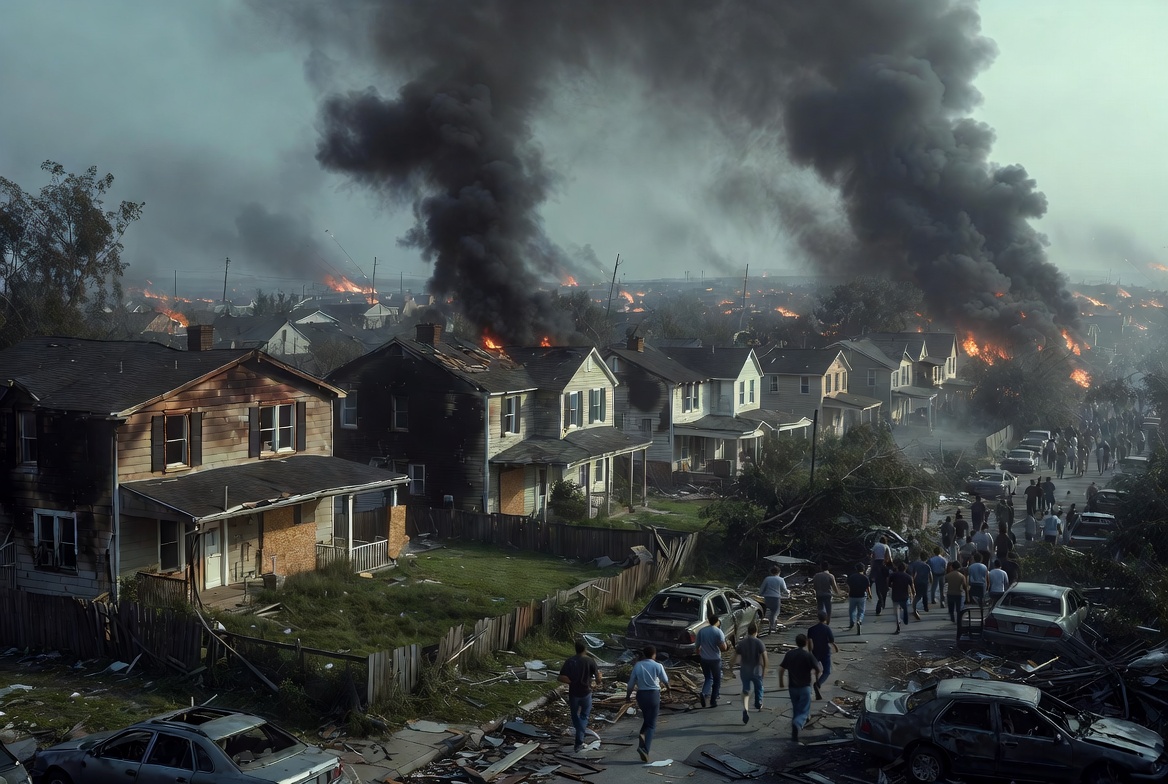
The biggest advantage here is more space, especially if you own or rent a home. Now you not only have storage space for gear, food, water, fuel, and energy—you have the space to generate more through rainwater harvesting, gardening, and maybe even some chickens and rabbits.
I think another big advantage is the vehicle. In a sustained SHTF situation you are still bugging out. But it doesn’t have to be on your Chevro-legs. If the result is the same, I would much rather do the first few hundred miles in the air-conditioned comfort of a vehicle. You can realistically carry three-ish days of food and sustainment supplies on your back. Weeks to months in a vehicle.
If the end result is still bugging out, just like urban, then what’s the real advantage? Space. Preparedness in the form of stockpiling essential goods is buying time. Time lets you compile information, assess, and refine strategies based on new or changing information. In a world of increased participation in emergency preparedness, the appeal of suburban living for preppers increases with it. A subdivision populated by individuals and families that plan ahead after a major hurricane isn’t the worst place to be. Far from it.
The reality, though: until common-sense preparation as a lifestyle becomes truly mainstream, the scared, hungry, and mildly unstable—in good times—are yards from your doorstep instead of feet.
Rural
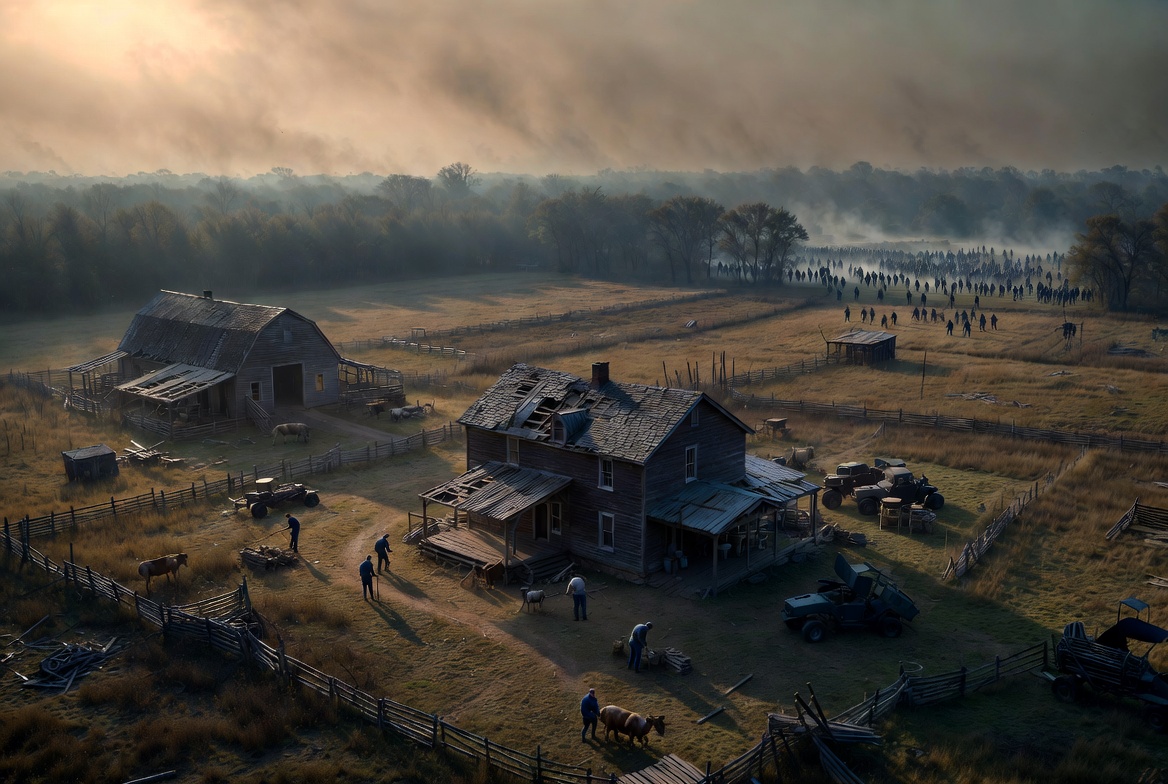
The prepper fantasy location. The most widely regarded and recommended setting for a sustained SHTF. Where bug-out plans are mocked and “citiots” are talked about like real-life loot drops.
The advantages are obvious. More space than you need for a full homestead and a sustainable off-grid lifestyle. Once you’re divorced from the electric utility, there is no other public utility that needs to be addressed. Wells and septic tanks reign supreme in situations that will have people in the lowest-lying areas of cities, suburbs, and small towns wondering why sewage is flowing out of their toilets.
So what’s the problem? Depends.
How many family members are you willing to lose in defense of your property?
One?
Two?
Sit with that one for a second. Urbanites getting into prepping will have an “aha” moment reading this. Rural readers will have a knot in their stomach. Good luck transitioning from picking tomatoes to fighting off a home invasion after three weeks straight of four hours of sleep.
Your wife and kids are your first and last line of defense? That isn’t a plan. That’s a bloodline gone in one tragic incident.
Who’s the loot drop now?
Semi Rural - The "SWEET SPOT"
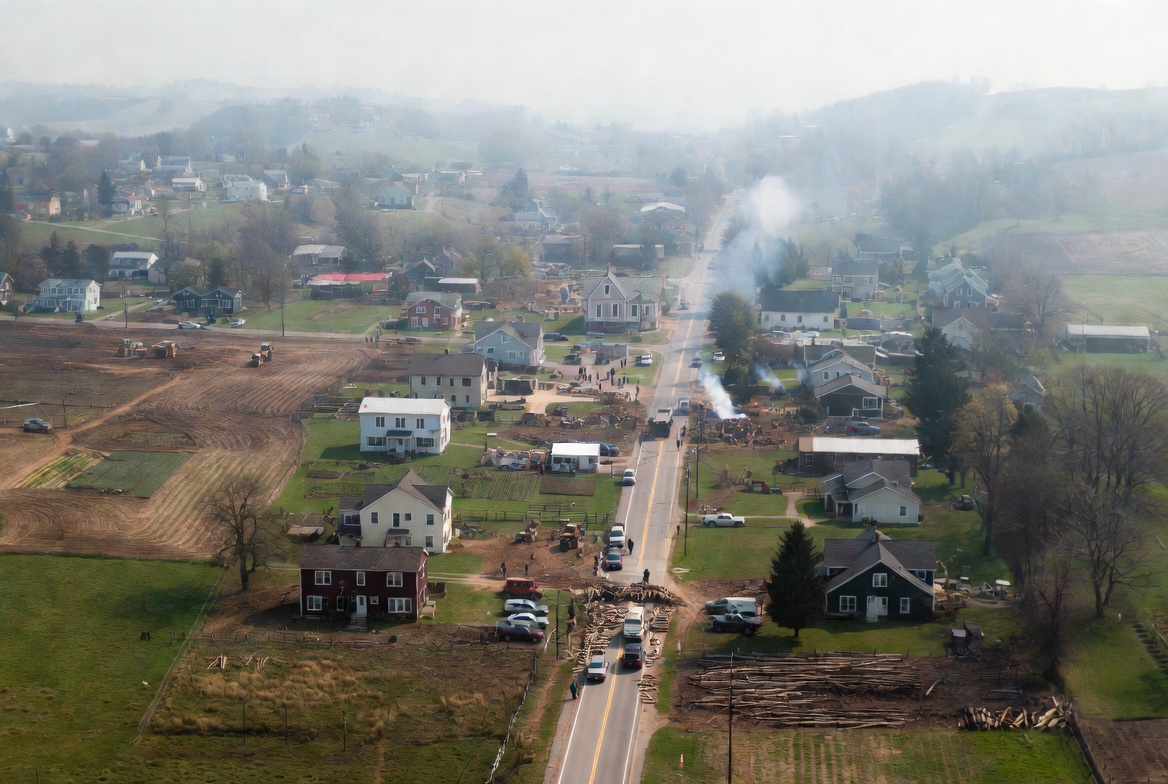
Imagine an unincorporated township with a school, a post office, and a water company. Two hundred houses spread out over 5–10 miles, ranging from half-acre lots to 100+ acre properties. Eight miles from a town of 6,000 people. An hour or more from a legitimate city.
This is the sustained-SHTF Goldilocks zone for the common American. And it isn’t even close. Areas like this tend to be homogeneous. Conservative or liberal doesn’t matter. There are countless examples of both spread all over this country.
Like the small town nearby, people know each other, and because they know each other they are more likely to look past politics in a crisis. In places like this, politics is more… detached. Like their rural cousins, semi-rural folks are more focused on the day-to-day realities of life. Probably because they have hobbies or lifestyles more connected to where power, food, and water come from. Also because they willingly sacrificed higher-paying jobs and careers to be there.
They have insulation from the just-in-time economy and from divisive national policies. In the types of scenarios many of us prepare for, the reality is you need population. But population is like practice. You need the right population the way you need proper practice. Your wife and kids have a better chance of getting through whatever unfolds if they are surrounded by well-rounded, like-minded people who aren’t panicking because the lift pumps in the apartment have no power, or because the AC is out in the middle of August and none of the high-rise windows open.
This environment has the resources and combined know-how to grow and process food, cook at scale, source fuel, operate equipment, and even form and pull a 24-hour security detail.They are close enough to cooperate and spread out enough to produce results independently. Semi-rural is the real-life situation just about every prepper fiction book, movie, and TV show eventually creates, in one form or another. And it exists before the SHTF.
Back to that flooded road.The S did not HTF, but this would have been a worse situation if we were truly rural. They would have had to cross several more spots like this to get to town. They would have been stuck in a vehicle until the water receded.
Not life-threatening—just not ideal. Rural isn’t ideal. Neither is anything else. Every one of these is a trade, and the trade only makes sense if you’ve actually run the math on your own road, your own neighbors, your own eight minutes. So here’s the part I can’t answer for you: Where do you actually live, and what does the road out of it look like at 11 p.m. in three feet of water?
And the harder one—the one I asked above and left sitting there on purpose.
What’s your number?
Because if it isn’t zero, you don’t have a plan. You have a location.
Liked this? Get the next one in your inbox.
One email when we publish a new guide or review. Unsubscribe anytime.
We'll never share your email. Unsubscribe anytime.